
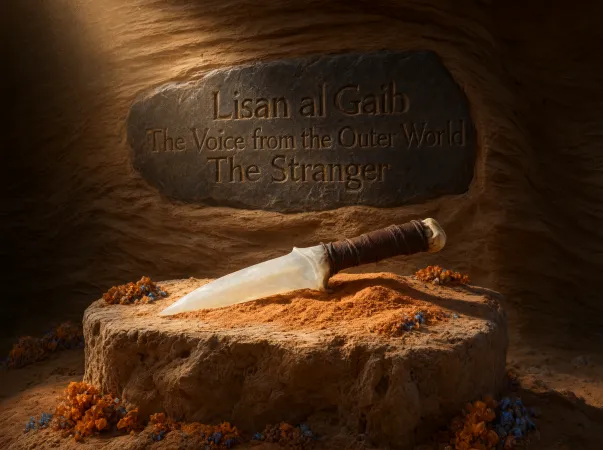
Lisan al Gaib is a title from Dune, the famous science fiction story by Frank Herbert. It means “Voice from the Outer World” in the story. It refers to a person from another world who is believed to fulfill an old prophecy.
The Fremen, the people who live on Arrakis, believe that this person will guide them toward a better future. They connect this title to Paul Atreides, a young man who arrives on their desert planet.
The name has two important parts:
- Lisan: A word linked to the tongue, speech, or voice.
- Al-Gaib: A term linked to the unseen, hidden, or unknown.
Together, these words suggest a voice connected to something beyond what people can see or know.
In Dune, the title carries more than a simple meaning. It represents faith, hope, power, and the desire for change. It also raises an important question: Is Paul truly the person the Fremen have been waiting for, or does he become that person because they believe in him?
This question is one of the main ideas behind the story.
What Is the Origin of Lisan al Gaib?
The phrase Lisan al Gaib has roots in Arabic. Frank Herbert used Arabic and other cultural influences to help build the world of Dune. These influences are especially clear in the language, beliefs, and way of life of the Fremen.
The Arabic Meaning of Lisan
In Arabic, lisān (لسان) means “tongue.” It can also refer to speech or a way of expressing something.
In English, we often use the word “voice” to mean more than the sound made when someone speaks. For example, a person may be called the voice of a group when they speak for its members.
This idea helps explain why “Voice” works well in the English translation of Lisan al Gaib. The title suggests someone who may speak for, guide, or represent people.
The Arabic Meaning of Al-Gaib
Al-ghayb (الغيب) is an Arabic term connected to the unseen, the unknown, or things beyond ordinary human knowledge.
Its meaning depends on the context. It can refer to things people cannot see or know, including matters hidden from them.
In Islamic usage, al-ghayb has an important religious meaning connected to the unseen. However, its use in Dune belongs to the fictional world created by Frank Herbert.
The title should not be treated as an exact statement of Islamic belief.
When the two parts are brought together, a close word-for-word sense is “tongue of the unseen” or “voice of the unseen.” The translation used in Dune is more specific to the story.
Why Are There Different Translations?
You may see Lisan al Gaib translated in several ways:
- Voice from the Outer World
- Voice of the Unseen
- Tongue of the Unseen
- Voice from Another World
These versions are related, but they are not exactly the same.
“Tongue of the Unseen” stays closer to the basic Arabic words. “Voice from the Outer World” explains the title in the context of Dune, where the expected figure comes from beyond Arrakis.
The book’s glossary also associates the title with “Giver of Water.” This additional meaning connects the title to the Fremen’s hopes for life and change on their dry planet.
Who Is Lisan al Gaib in Dune?
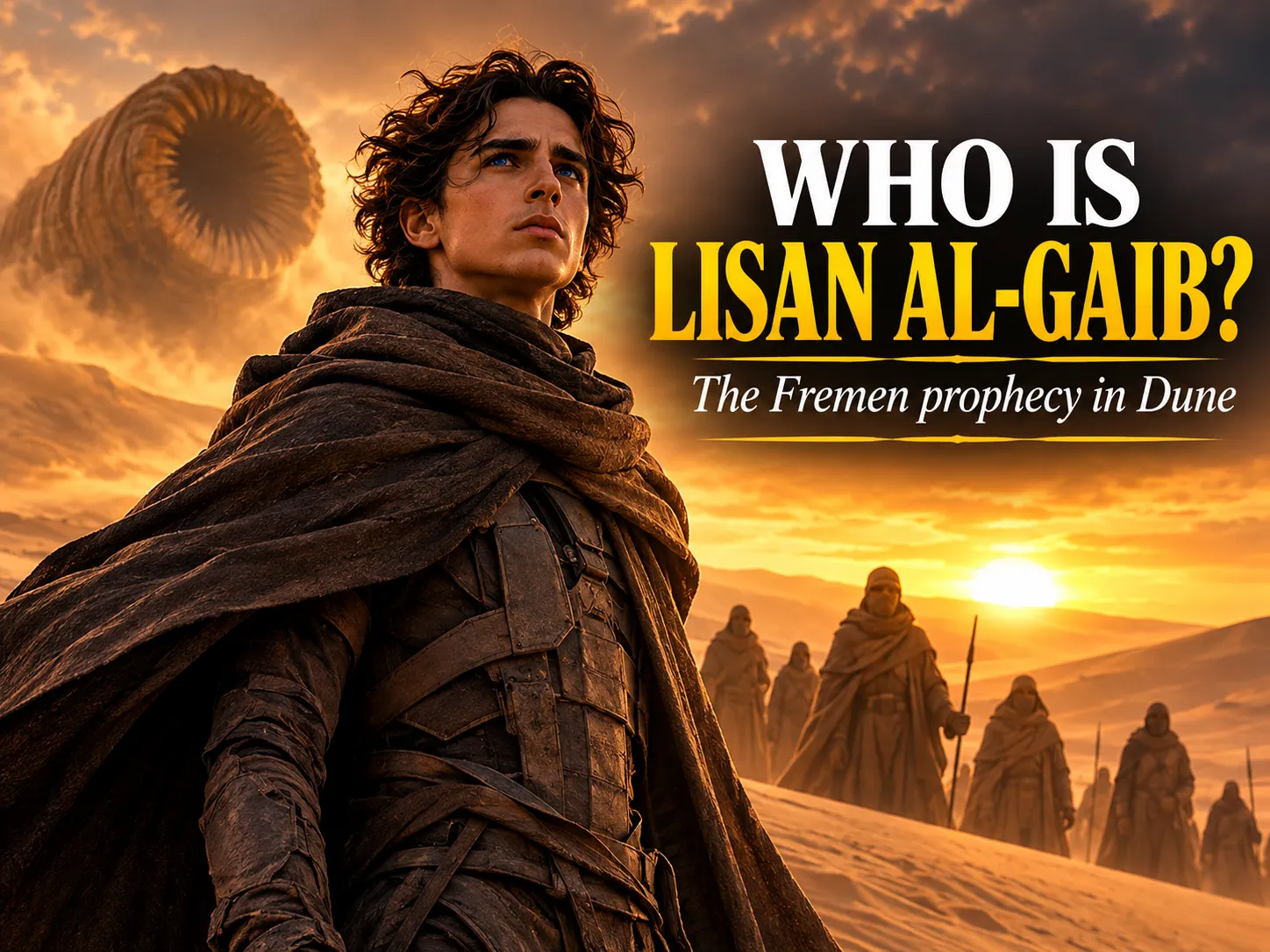
Lisan al Gaib is the name the Fremen give to a promised figure from beyond their world. They believe this person will guide them and help bring about a better future.
Paul Atreides becomes linked to the title after arriving on Arrakis with his mother, Lady Jessica.
Paul is not a native of Arrakis. He comes from a powerful family and has received special training. His arrival, skills, and actions lead some Fremen to believe that he matches the signs in their old stories.
Who Is Paul Atreides?
Paul Atreides is the main character in Dune. He is the son of Duke Leto Atreides and Lady Jessica.
His family is sent to Arrakis, a harsh desert planet that is home to the valuable spice known as melange. The spice plays a major role in the empire because of its connection to space travel and other abilities.
After his family falls into danger, Paul and his mother escape into the desert. They meet the Fremen, who have learned how to survive in one of the hardest environments in the universe.
As Paul learns about their culture, some Fremen begin to see him as the person described in their prophecy.
Why Do the Fremen Believe Paul Is the One?
Several things help Paul gain the Fremen’s trust and belief.
First, he comes from outside their world. This matches the basic idea behind the title.
Second, Paul has unusual abilities. His training and visions help him understand events in ways that others cannot.
Third, he proves that he can survive and fight in the desert. His actions give some Fremen reasons to see him as more than an ordinary outsider.
Finally, the Fremen already have stories about a future leader. When Paul arrives, they compare his actions with the signs they have been taught to expect.
Not every Fremen accepts him in the same way. Some believe strongly in the prophecy, while others question it.
This difference matters because the story is not just about a person becoming a leader. It is also about how people decide whom to trust and what they choose to believe.
What Is the Lisan al Gaib Prophecy?
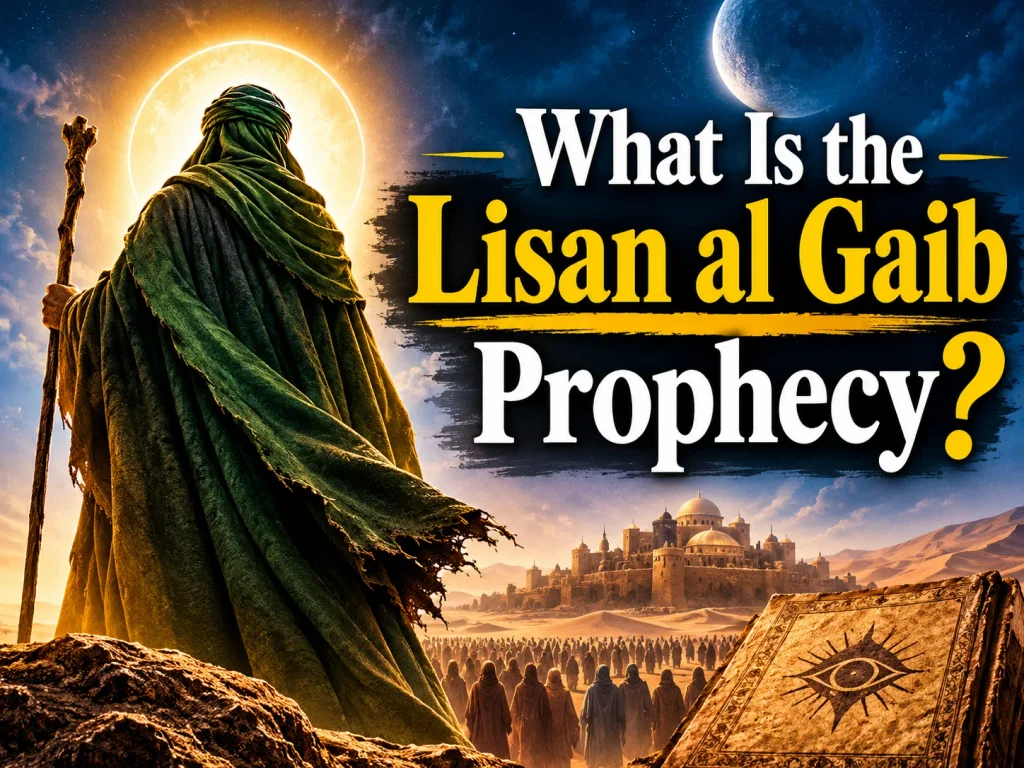
The Lisan al Gaib prophecy is part of the Fremen’s traditional beliefs. It describes a special figure who will come from outside their world and guide them.
The prophecy gives many Fremen hope that their difficult lives will change. Arrakis is dry, dangerous, and controlled by powerful forces. The idea of a leader who can help them offers a reason to keep believing in a better future.
The promised figure is also linked to the Fremen concept of the Mahdi, a guide or messianic figure in their fictional belief system.
What Does the Prophecy Promise?
The prophecy connects the expected leader with guidance, special insight, and the possibility of a better future.
For the Fremen, the promise is deeply personal. Water is precious on Arrakis, and survival requires great care. Their hope is not simply about gaining political power. It is also about changing the conditions of life on their planet.
Paul becomes a focus for these hopes as more Fremen see him as the figure described in their traditions.
However, the story does not present the prophecy as a simple promise that everything will turn out well. Paul’s rise brings serious choices and consequences.
Did the Bene Gesserit Create the Prophecy?
One of the most important details in Dune is the role of the Bene Gesserit.
The Bene Gesserit are a powerful group known for their mental and physical training, political influence, and long-term plans. They have placed beliefs and stories in different cultures through a program called the Missionaria Protectiva.
These beliefs can help a Bene Gesserit member survive if she becomes stranded in a dangerous place. People who already believe in a certain prophecy may be more likely to accept someone who appears to match it.
This is a major part of the explanation for why Paul and his mother find the Lisan al Gaib legend waiting for them on Arrakis.
The story therefore asks whether the prophecy reflects a true destiny or whether it has been shaped by people who want to influence events.
The answer is not as simple as choosing one side. Paul’s abilities and choices matter, but so do the beliefs that existed before he arrived.
What Does Lisan al Gaib Mean in Dune: Part Two?
The phrase became widely known among movie audiences through Denis Villeneuve’s Dune films, especially Dune: Part Two.
In the films, Fremen characters use Lisan al Gaib when speaking about Paul. They see him as a possible answer to an old promise.
As the story moves forward, the title becomes a powerful sign of belief in Paul’s leadership.
Why Do the Fremen Chant Lisan al Gaib?
When Fremen chant “Lisan al Gaib,” they are expressing their belief that Paul may be their promised guide.
The chant can show respect, excitement, loyalty, or religious devotion. Its meaning depends on the scene and the person saying it.
For some characters, Paul seems to match the prophecy so closely that they accept him as the expected leader. Others are more careful because they understand how dangerous it can be to place too much faith in one person.
The repeated phrase also shows how belief can spread through a group. As more people accept the idea, their shared faith can make the leader even more powerful.
Is the Meaning Different in the Movies?
The basic meaning remains the same in the books and films: Lisan al Gaib is the Voice from the Outer World.
However, a movie can give a phrase a different emotional effect from a book. Hearing a crowd chant the title makes it feel immediate and powerful.
The films also place strong attention on the question of whether Paul is a genuine savior or a person whose rise has been shaped by old beliefs and political plans.
That tension is central to the story.
What Is the Difference Between Lisan al Gaib and Mahdi?
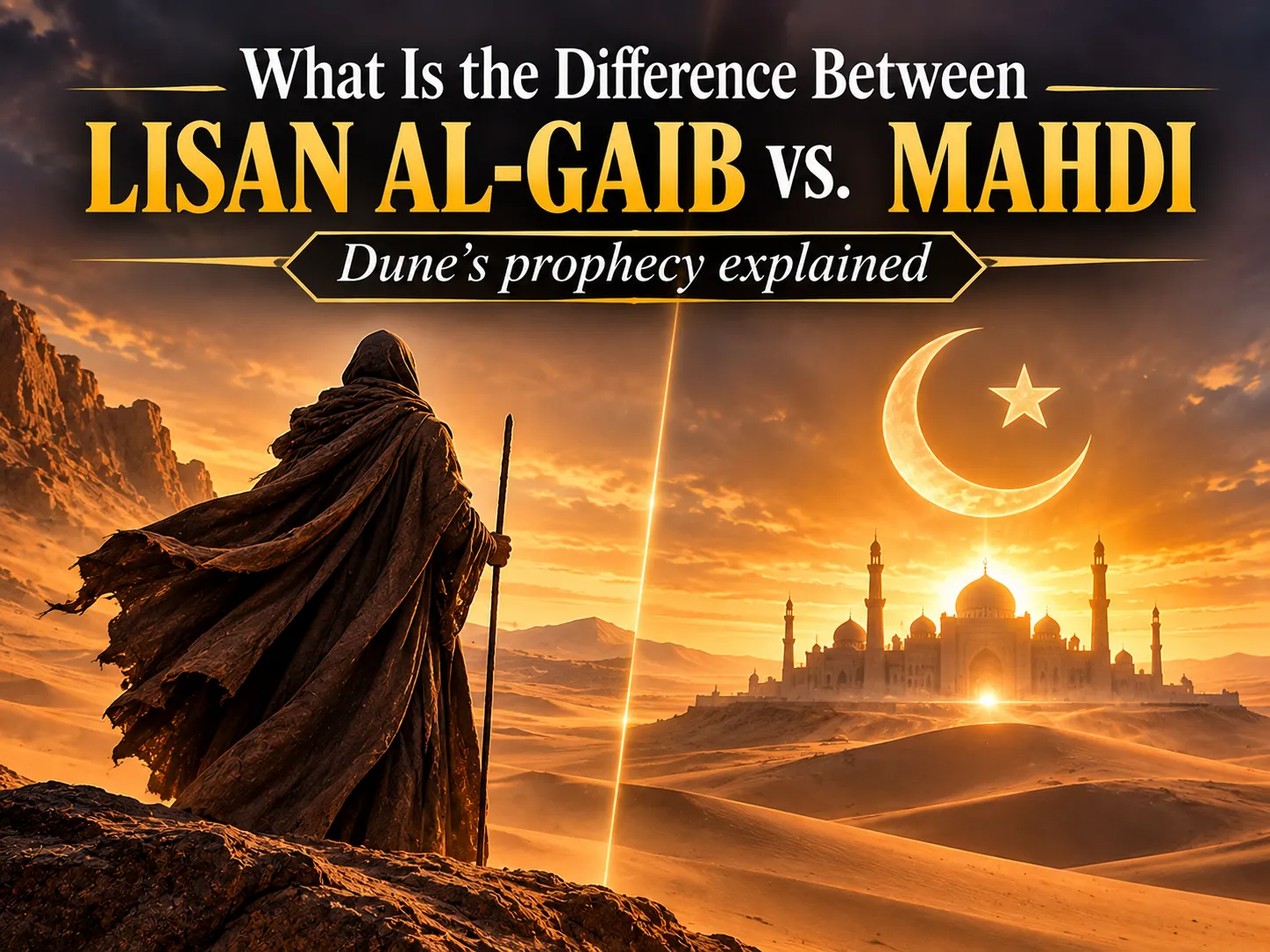
Lisan al Gaib and Mahdi are related terms in Dune, but they are not identical.
Lisan al Gaib is commonly translated as “Voice from the Outer World.” It describes the expected outsider who may fulfill the Fremen prophecy.
Mahdi is a title for a promised guide or leader. In the fictional Fremen tradition, the two ideas are closely connected to expectations about a person who will lead them toward a better future.
Here is a simple comparison.
| Term | Meaning in Dune |
| Lisan al Gaib | Voice from the Outer World |
| Mahdi | A promised guide or leader |
| Muad’Dib | Paul’s Fremen name |
| Kwisatz Haderach | A figure connected to the Bene Gesserit’s long-term plans |
These terms help explain different parts of Paul’s role in the story.
They should not be treated as exact synonyms. Each has its own background and purpose within the world of Dune.
What Does Lisan al Gaib Symbolize?
The title has several layers of meaning. It is not only a name for Paul. It also helps explain some of the story’s biggest themes.
Hope for a Better Future
The Fremen live in a harsh environment. They face danger, limited water, and control by powerful outsiders.
The prophecy gives them hope that someone will help change their situation. Paul becomes a symbol of the future they want to create.
This makes the title meaningful even to people who do not fully understand its linguistic roots.
Faith and Belief
The title shows how faith can shape the way people see the world.
When the Fremen believe Paul matches their prophecy, they begin to view his actions through that belief. Events that might seem ordinary to another person can appear to be signs of something greater.
The story invites readers to think about the power of belief and the reasons people follow leaders.
Power and Leadership
Being called Lisan al Gaib gives Paul influence among the Fremen.
The title helps him gain support, but it also places a heavy burden on him. People expect him to lead them and fulfill their hopes.
This creates a difficult question: Does a leader control the beliefs of the people, or do those beliefs begin to control the leader?
Paul’s story explores both sides.
Is Lisan al Gaib a Real Religious Term?
Lisan al Gaib is best known today as a term from Dune. However, its wording draws on Arabic, and the idea of the unseen has meaning outside the fictional story.
The Arabic word ghayb is used in Islamic religious contexts for the unseen. It is a meaningful concept in Islamic thought, but the fictional title Lisan al Gaib should not be confused with a formal religious title from Islam.
Likewise, the Fremen prophecy is part of a science fiction story. Its details and role in Paul’s rise belong to Frank Herbert’s fictional universe.
This distinction matters because Dune combines ideas and words from several real-world cultures to create its own imagined society.
The result is a title that may sound familiar to some readers while carrying a specific meaning within the story.
Why Is Lisan al Gaib So Popular Online?

Lisan al Gaib became a popular phrase among Dune fans, particularly after the recent film adaptations.
Several reasons explain its popularity.
The Films Made It Memorable
The repeated chant is one of the most recognizable parts of the films. Its sound, timing, and emotional force make it easy for viewers to remember.
People who have never read the books may still recognize the phrase from movie clips and online discussions.
Fans Enjoy Explaining Its Meaning
The title raises interesting questions about Arabic, prophecy, and the world of Dune. Fans often discuss its translation and the ways it connects to the story.
Some focus on its linguistic roots, while others explore what it says about faith and political power.
It Became an Internet Meme
Online, people sometimes use “Lisan al Gaib” as a joke when someone seems unusually skilled, makes a surprising prediction, or is treated like a hero.
For example, a friend might correctly guess the ending of a movie before anyone else. Another friend could jokingly call that person “Lisan al Gaib.”
In this kind of use, the phrase refers to someone who seems to know what others do not.
This playful use comes from the fictional title rather than its full meaning in the story.
How to Use Lisan al Gaib in a Sentence
If you want to understand how the phrase is used, these examples can help.
Example 1: Talking about the movie
“Paul becomes known as Lisan al Gaib because the Fremen believe he matches their prophecy.”
Meaning: The Fremen see Paul as the promised figure from outside their world.
Example 2: Discussing the language
“The Lisan al Gaib meaning is often translated as Voice from the Outer World.”
Meaning: The sentence explains the title’s common translation in Dune.
Related Terms You Should Know
Understanding a few other Dune terms can make the meaning of Lisan al Gaib much clearer.
Fremen
The Fremen are the people native to the desert world of Arrakis. They have developed ways to survive its extreme conditions and have their own customs, traditions, and beliefs.
Their expectations about Lisan al Gaib play a major role in Paul’s story.
Arrakis
Arrakis is the desert planet where much of Dune takes place. It is home to the Fremen and the source of the valuable spice melange.
Its dry environment helps explain why water, survival, and the hope for a better future are so important to the story.
Muad’Dib
Muad’Dib is the name Paul takes among the Fremen. It connects him to his new life on Arrakis and to the identity he develops among its people.
It is different from Lisan al Gaib, which is a title tied to prophecy.
Bene Gesserit
The Bene Gesserit are a powerful order that trains its members in advanced mental and physical skills. They also influence politics and use long-term plans to shape events.
Their role in spreading cultural beliefs helps explain why the Fremen already know about a promised outsider.
Kwisatz Haderach
The Kwisatz Haderach is a figure the Bene Gesserit hope to bring about through a long plan involving human breeding and training.
This concept is related to Paul’s unusual abilities, but it is not another name for Lisan al Gaib. The terms come from different beliefs and plans within the story.
Knowing these words helps you see that Paul’s rise involves more than one prophecy or title. It brings together Fremen tradition, Bene Gesserit plans, and his own choices.
Article Summary
The Lisan al Gaib meaning is “Voice from the Outer World” in Dune. The phrase draws on Arabic words linked to the tongue or voice and the unseen or unknown.
In the story, it is the Fremen title for a promised outsider who may guide them toward a better future. Paul Atreides becomes connected to the title when he arrives on Arrakis and appears to match parts of their prophecy.
The Bene Gesserit’s role in spreading beliefs adds an important twist. It shows how old stories can shape people’s choices and help a leader gain power.
The phrase is now widely recognized by Dune fans and is sometimes used online as a joke about someone who seems to know the future.
FAQs
1. What does Lisan al Gaib mean in English?
Lisan al Gaib means “Voice from the Outer World” in Dune. The phrase also has a word-for-word sense close to “Tongue of the Unseen” because of its Arabic roots.
2. Is Lisan al Gaib Arabic?
The phrase draws on Arabic words. Lisān means “tongue,” while al-ghayb refers to the unseen or unknown. Frank Herbert used these language influences when creating the world of Dune.
3. Who is the Lisan al Gaib in Dune?
Paul Atreides becomes known as the Lisan al Gaib among the Fremen. They believe he may be the promised outsider described in their traditions.
4. Why do the Fremen call Paul Lisan al Gaib?
The Fremen connect Paul to their prophecy because he comes from another world and shows abilities that seem to match their expectations. His actions and the beliefs they already hold help strengthen that connection.
5. Does Lisan al Gaib mean Messiah?
Not as a direct word-for-word translation. In Dune, it is a title for an expected outsider who serves a messianic role in Fremen belief. “Voice from the Outer World” is the usual translation.
6. What does Lisan al Gaib mean in Arabic?
The phrase combines words associated with “tongue” or “voice” and “the unseen.” A close literal rendering is “Tongue of the Unseen,” although its meaning in Dune is “Voice from the Outer World.”
7. Is Lisan al Gaib a real Islamic prophecy?
The Lisan al Gaib prophecy is fictional and belongs to the world of Dune. Although the phrase draws on Arabic and the concept of the unseen has a place in Islamic thought, the Fremen prophecy is not an Islamic religious teaching.
8. What is the difference between Lisan al Gaib and Mahdi?
In Dune, Lisan al Gaib means “Voice from the Outer World,” while Mahdi refers to a promised guide or leader. The concepts are closely related within Fremen beliefs but have different meanings.
9. What does Lisan al Gaib mean as a meme?
As an internet meme, Lisan al Gaib is often used to joke about someone who predicts events, knows surprising facts, or seems unusually talented. The joke comes from the character’s connection to prophecy in Dune.
10. Why is Lisan al Gaib important in Dune: Part Two?
The title shows how strongly many Fremen believe Paul is their promised leader. It also highlights the story’s themes of faith, political influence, and the danger of treating a person as a savior.
Conclusion
The Lisan al Gaib meaning goes beyond a simple translation. In Dune, it means “Voice from the Outer World” and describes the outsider the Fremen believe will guide them toward a better future.
Paul Atreides becomes linked to the title because of his background, abilities, and the prophecy that already exists on Arrakis.
The Bene Gesserit’s influence makes the story more complex by showing how beliefs can be shaped and used to gain power.
With its Arabic roots, powerful symbolism, and role in the films, Lisan al Gaib has become one of the most memorable phrases in the Dune universe.
Understanding it helps explain not only Paul’s rise but also the story’s deeper questions about faith, hope, and leadership.
Meta description character count: The meta description above is approximately 157 characters, including spaces.
Read More Posts
Ight Meaning: What Does Ight Mean in Text and Slang?
El Gallo Meaning: What Does It Mean in English?
Good Riddance Meaning: What Does It Mean?

Emma Wilson is a writer at MeaningVibz who enjoys exploring emoji meanings, texting expressions, and online communication trends. She helps readers understand how emojis and slang are used in different situations by providing clear explanations and relatable examples for everyday messaging.